Physical Address
304 North Cardinal St.
Dorchester Center, MA 02124
Physical Address
304 North Cardinal St.
Dorchester Center, MA 02124

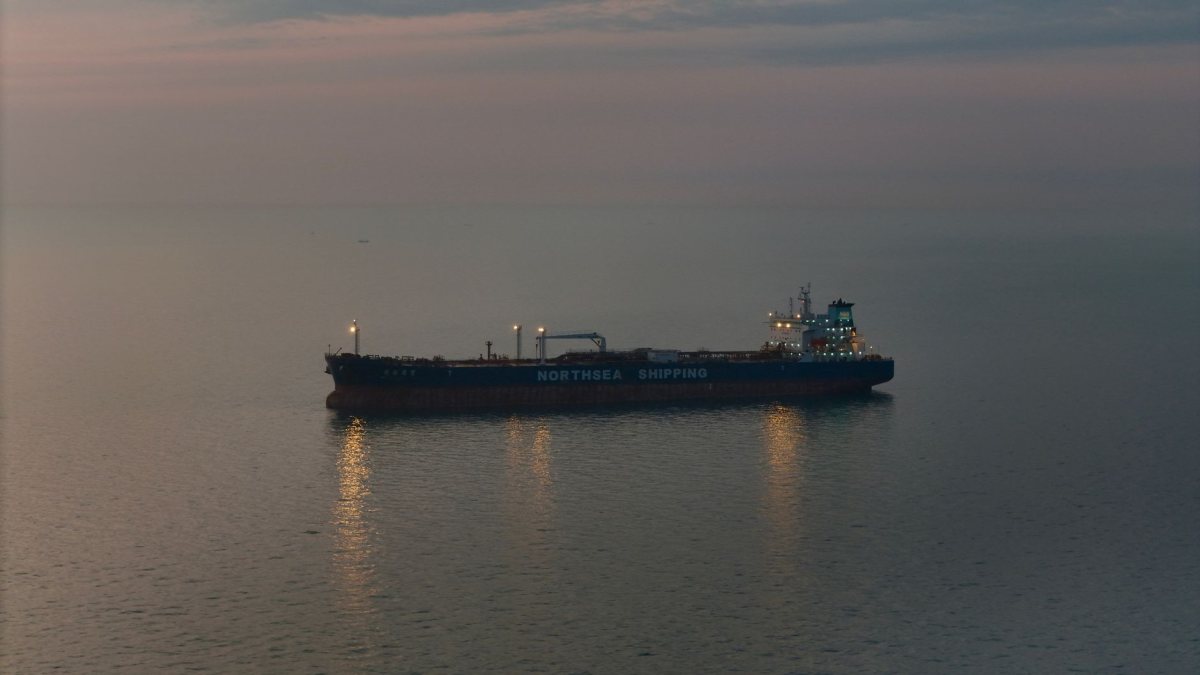
A sharp escalation in the Gulf region has triggered a spike in global oil prices following maritime incidents and strikes on military outposts.
A series of dramatic military escalations in the Middle East has sent shockwaves through global energy markets, pushing crude oil prices to the USD 100 per barrel mark. The sudden surge follows reports of attacks on maritime vessels in the crucial Strait of Hormuz and a strike targeting a US military outpost located in Jordan. The developments have heightened fears of a wider regional conflict that could disrupt vital trade corridors.
For residents and businesses in the UAE and the wider Gulf region, the escalation represents a significant shift in the regional security landscape. While local authorities continue to monitor the situation closely, international markets are already reacting to the potential for prolonged disruptions along one of the world’s most critical energy transit routes.
The latest round of tensions began with a series of maritime incidents in the Strait of Hormuz, a narrow waterway through which approximately a fifth of the world’s petroleum passes daily. Reports indicate that several commercial oil tankers were severely damaged or sunk in highly volatile waters, leading to immediate disruptions in shipping schedules. Following these incidents, Iranian state media claimed that their forces had seized an unmanned US underwater drone operating in the area.
In response to the maritime losses, retaliatory strikes were reported across the region. A US military base in Jordan, near the Syrian border, became the target of an aerial assault, marking a significant expansion of the geographical scope of the confrontation. The attack on the outpost highlights the vulnerability of regional military installations as proxy tensions threaten to spill over into direct state-on-state conflict.
The immediate economic fallout has been felt in the global energy markets. Brent crude spiked to USD 100 a barrel, a threshold that has not been sustained for some time. While higher oil revenues can temporarily boost the fiscal balances of regional exporters, the long-term implications of instability present severe risks to the broader economy.
The Strait of Hormuz remains the ultimate choke point for global energy security. Any prolonged closure or perceived threat to navigation in these waters forces shipping companies to consider alternative, much longer routes around the Cape of Good Hope, significantly increasing transit times and fuel consumption.
Historically, during periods of heightened tension, regional powers and international coalitions have increased naval patrols to guarantee the freedom of navigation. Analysts suggest that a similar international maritime security task force may be reinforced in the coming days to reassure commercial shipping companies and stabilize insurance rates.
In situations of this nature, diplomatic channels are typically activated behind the scenes, even as public rhetoric remains hostile. Backchannel negotiations, often facilitated by neutral regional intermediaries, work to establish temporary de-escalation protocols to prevent an accidental slide into a full-scale war.
Concurrently, military readiness across the Gulf Cooperation Council (GCC) states is elevated. Defense systems are put on high alert to protect critical infrastructure, including desalination plants, refineries, and power stations, from potential drone or missile strikes.
Domestic fuel prices in the UAE are deregulated and track global crude oil benchmarks. If global oil prices remain at or above USD 100 a barrel, consumers can expect to see an upward adjustment in petrol prices at the pump during the next monthly review.
UAE ports continue to operate under high-security protocols. While shipping routes through the Strait of Hormuz are experiencing heightened tension, international naval task forces are actively working to secure commercial shipping lanes.
International diplomats are reportedly engaging in urgent discussions to prevent further military action. The focus remains on establishing communication lines to prevent miscalculations in the busy shipping corridors.
The escalation of hostilities in the Strait of Hormuz and the subsequent rise of oil prices to USD 100 a barrel underscore the fragile nature of regional geopolitical stability. While the immediate focus remains on military deterrence and securing trade routes, the long-term resolution will require sustained diplomatic engagement to address the underlying friction between major regional actors.
For the UAE, a nation positioned as a global hub for trade, logistics, and aviation, maintaining regional stability is of paramount importance. Local business operations remain resilient, but close monitoring of the security situation will be essential in the weeks ahead as the international community reacts to these unprecedented challenges.
Reference: This report was compiled from publicly reported information. Original coverage: The Hill.
Photo: Chengxin Zhao / Pexels




