Physical Address
304 North Cardinal St.
Dorchester Center, MA 02124
Physical Address
304 North Cardinal St.
Dorchester Center, MA 02124

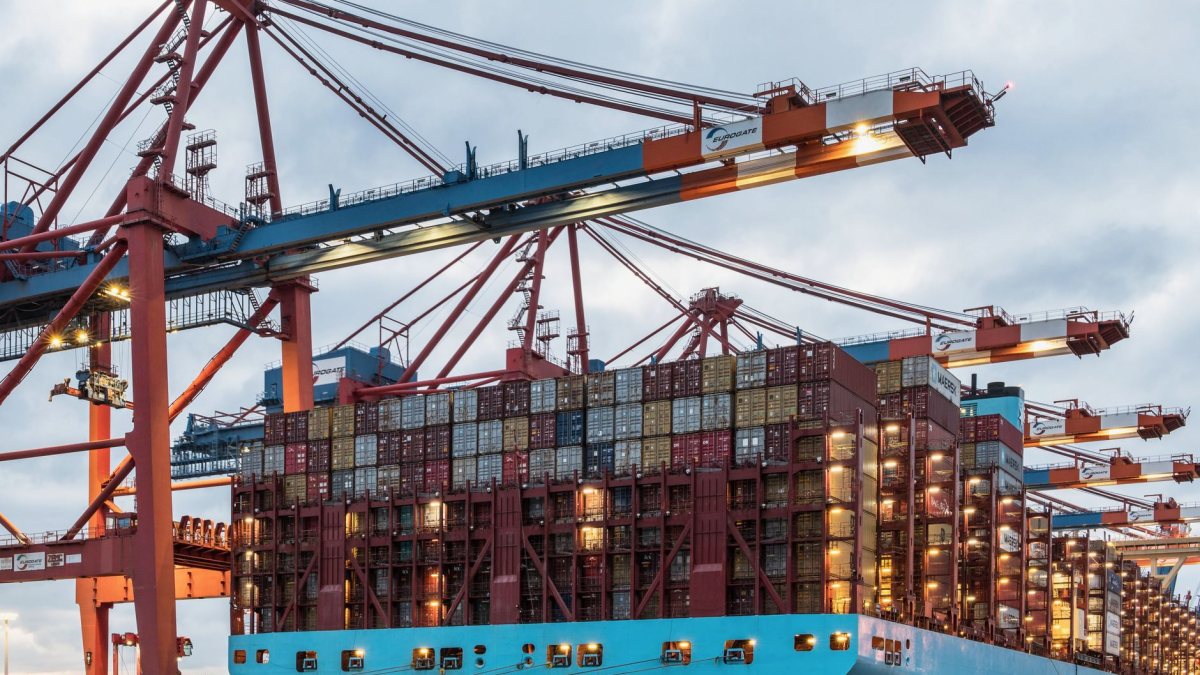
A major trade dispute intensifies as the Trump administration blocks key Canadian goods, including dairy and alcohol, prompting a strategic shift from Ottawa.
Trade relations between the United States and Canada have taken a sharp turn for the worse following a series of aggressive economic maneuvers by the Trump administration. In a significant escalation of ongoing border tensions, the U.S. government has officially blocked the import of several key Canadian products, signaling a new and highly disruptive chapter in North American commerce.
The targeted restrictions hit several of Canada’s most prominent export sectors, including dairy products, most types of alcohol, and motorcycles. As supply chains brace for the fallout, businesses on both sides of the border are scrambling to assess the immediate financial impact of these sudden barriers.
The latest directive from Washington represents a targeted strike aimed at specific sectors of the Canadian economy. By halting the entry of Canadian dairy, specific spirits and beers, and recreational vehicles like motorcycles, the administration is leveraging tariff-alternative barriers to pressure Ottawa. Economists note that these specific categories were likely chosen to maximize political and economic leverage without immediately crippling broader industrial manufacturing.
For American consumers and distributors, the ban means immediate disruptions. Importers of Canadian specialty cheeses, craft spirits, and powersports equipment are facing canceled shipments and a sudden need to source alternative goods. The inclusion of niche products like molasses further underscores the highly detailed and punitive nature of the administration’s trade strategy.
In response to the escalating hostilities, Canadian policymakers are signaling a fundamental shift in their long-term economic strategy. Rather than waiting out the trade dispute, prominent Canadian officials, including economic advisor Mark Carney, have increasingly advocated for a strategic decoupling from the U.S. market.
This “pivot” involves diversifying Canada’s trade portfolio to reduce its historic reliance on its southern neighbor. Key elements of this strategy include:
This conflict does not exist in a vacuum. It follows years of tense negotiations over regional trade frameworks and persistent disputes over agricultural subsidies, steel tariffs, and digital services taxes. The United States-Mexico-Canada Agreement (USMCA), which was designed to modernize regional trade, is now facing its toughest test as unilateral actions threaten to undermine its core principles.
Historically, trade disputes of this scale lead to retaliatory measures. Canadian officials have already hinted that they are preparing a robust response, which could target American agricultural exports or manufacturing goods produced in politically sensitive congressional districts. This tit-for-tat cycle risks raising prices for consumers in both nations and complicating monetary policy efforts to control inflation.
As the trade war intensifies, industry analysts warn of prolonged uncertainty. Multi-national corporations that rely on integrated cross-border supply chains may begin shifting operations to avoid tariff exposure. For example, the automotive and powersports sectors frequently move parts back and forth across the border during assembly, meaning even narrow bans can have cascading effects on production schedules.
Historically, trade disputes of this nature are resolved either through high-level diplomatic negotiations or formal challenges through the World Trade Organization (WTO) or USMCA dispute resolution panels. However, these legal processes can take months, if not years, to reach a conclusion, offering little immediate relief to affected businesses.
The recent restrictions primarily target Canadian dairy products, the majority of alcoholic beverages, and motorcycles, alongside specific agricultural derivatives like molasses.
Canada is actively pursuing a strategy to diversify its trade relationships away from the United States, focusing on expanding its market share in Europe and Asia while preparing potential retaliatory tariffs.
Yes, consumers are likely to see higher prices and reduced availability for specialty Canadian foods, specific brands of beer and spirits, and certain recreational vehicles as domestic alternatives are sourced.
The sudden imposition of import bans on Canadian goods marks a severe escalation in North American trade relations, threatening the stability of a historically cooperative economic alliance. As Washington doubles down on protectionist policies, Ottawa’s strategic shift toward global diversification suggests that the economic landscape of the continent may be permanently altered.
For businesses and consumers alike, the coming months will likely bring higher costs and supply chain friction. Whether this confrontation leads to a renegotiated settlement or a deeper economic schism depends on the willingness of both administrations to return to the negotiating table.
Reference: This report was compiled from publicly reported information. Original coverage: Axios.
Photo: Wolfgang Weiser / Pexels




