Physical Address
304 North Cardinal St.
Dorchester Center, MA 02124
Physical Address
304 North Cardinal St.
Dorchester Center, MA 02124

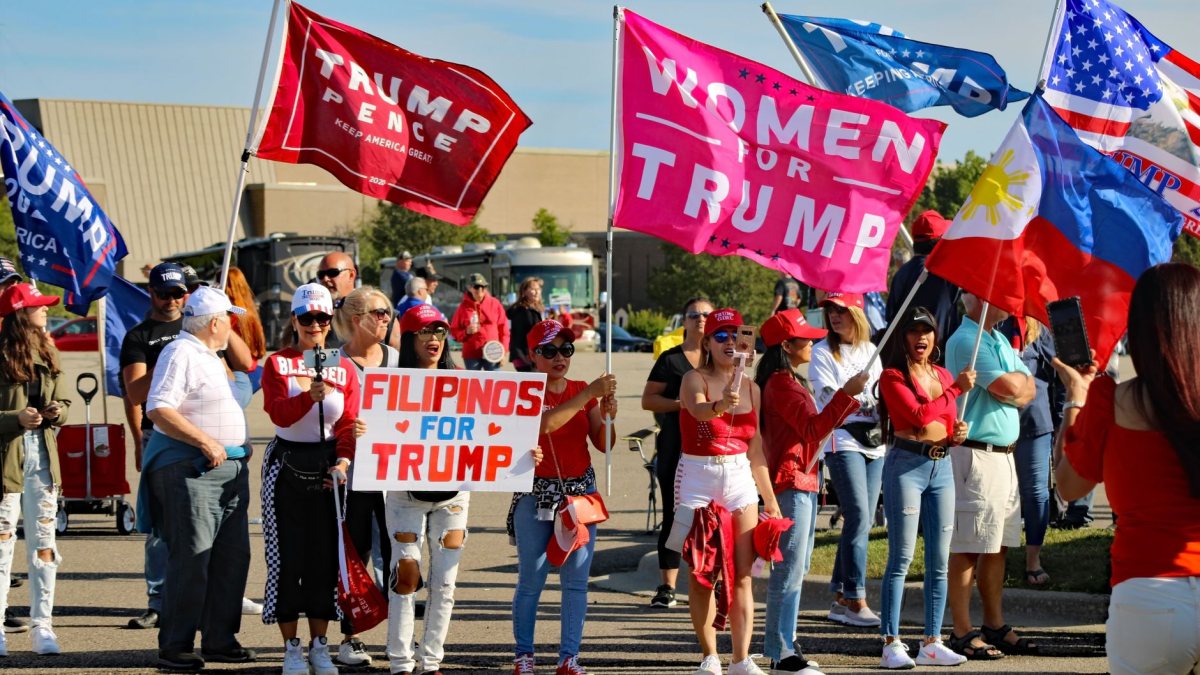
As Republicans gather in Dallas, Donald Trump seeks to demonstrate his enduring hold on the party base ahead of crucial midterm elections.
A high-stakes gathering of conservative activists and Republican leaders in Dallas, Texas, is putting a spotlight on former President Donald Trump’s ongoing influence over the GOP. The event serves as a critical testing ground for Trump’s ability to channel grassroots enthusiasm and shape the party’s platform ahead of the upcoming midterm elections.
With the battle for control of Congress heating up, the convention highlights the deep connection between the former president and the party’s most dedicated voters. However, it also underscores the strategic calculations facing the wider Republican coalition as they navigate Trump’s dominant role in national politics.
The Dallas gathering has effectively transformed into a showcase of the political priorities that define the modern Republican party. Speakers and attendees are focusing heavily on economic concerns, border security, and cultural issues that resonate strongly with the conservative base. For Trump, the event is an opportunity to prove that his signature brand of populism remains the primary driving force behind conservative voter turnout.
Political analysts note that the enthusiasm generated at these events is vital for fueling volunteer energy and fundraising. By aligning themselves with the former president’s rhetoric, candidates hope to capture the loyalty of voters who are highly motivated to participate in the upcoming midterm cycle.
Despite the high-profile displays of support, the convention also reveals subtle divisions within the Republican establishment. While a significant portion of the party fully embraces the focus on Trump, some strategists and moderate lawmakers have chosen to keep their distance. This split highlights an ongoing debate over the best path to victory in swing districts.
Those advocating for a broader message argue that focusing too heavily on the former president could alienate independent voters who are critical in competitive suburban areas. Conversely, loyalists argue that any attempt to downplay Trump’s influence risks dampening enthusiasm among the working-class voters who have become the backbone of the party’s coalition.
The primary objective for organizers in Dallas is translating enthusiasm into concrete electoral victories. Historically, midterm elections are decided by which party can more effectively mobilize its core supporters. Trump’s allies believe his active participation in the campaign trail is the most effective tool for achieving this goal.
To secure a majority in the House and Senate, Republicans are focusing on several key strategies:
Trump’s role as a kingmaker has met with mixed results in recent primary contests. While his endorsement remains incredibly powerful, some of his handpicked candidates have faced tough challenges in general election matchups. This has raised questions among party strategists about the limits of his influence when appealing to the broader American electorate.
As the party transitions from primary season to the general election, the focus must shift from appealing solely to loyal partisans to building a coalition wide enough to win statewide races. How successfully Trump and his allies manage this transition will likely determine the balance of power in Washington for the next two years.
The event serves as a major organizing hub and a barometer for grassroots enthusiasm, helping the party align its messaging and mobilize key supporters ahead of the midterm elections.
While Trump’s involvement energizes the core conservative base, it presents a challenge for moderates in swing districts who must balance appealing to loyal partisans with winning over independent voters.
Reference: This report was compiled from publicly reported information. Original coverage: The New York Times.
Photo: Michael Anthony / Pexels




