Physical Address
304 North Cardinal St.
Dorchester Center, MA 02124
Physical Address
304 North Cardinal St.
Dorchester Center, MA 02124

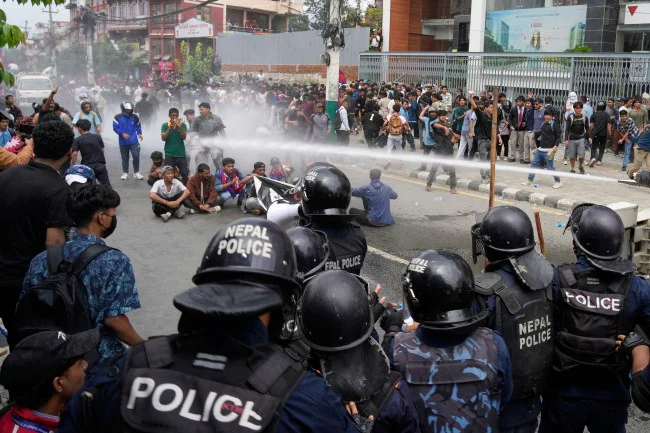
Nepal is witnessing one of its most powerful youth-led uprisings in recent history. What started as anger against a sudden social media ban has now transformed into a massive anti-corruption and pro-democracy movement, shaking the country’s political foundation. Generation Z—the digital-first, outspoken youth of Nepal—has taken to the streets demanding change, accountability, and freedom.
The protests were triggered when the government abruptly banned 26 popular social media platforms, including WhatsApp, Instagram, YouTube, and Facebook. The authorities claimed that these platforms failed to register under new regulatory laws. However, for the young population, this move was seen as censorship and an attempt to silence dissent.
Social media is the primary medium for communication, business, and activism among Gen-Z. The ban not only cut them off from digital spaces but also became a symbol of the wider lack of freedom, transparency, and opportunities in Nepal.
The unrest is not only about social media—it’s about years of frustration boiling over. Young people have been vocal about three major issues:
This combination of factors turned the ban into the final straw that mobilized thousands of young Nepalis.
Protests erupted across Kathmandu and other major cities. Large gatherings quickly turned into clashes as demonstrators marched toward parliament and government buildings. Security forces responded with tear gas, water cannons, rubber bullets, and even live rounds.
Tragically, these confrontations resulted in the deaths of at least 19 people and injuries to hundreds more. Curfews were imposed in Kathmandu, Pokhara, Itahari, Butwal, and other cities as the government tried to regain control.
The rising death toll and nationwide outrage forced the government to take drastic steps:
The protests weren’t just about anger—they were also about hope and identity. Many young protesters adopted the “Straw Hat Pirate” flag from the anime One Piece as their emblem of freedom and rebellion. It became a unifying cultural symbol that represented courage, independence, and the refusal to bow to authority.
Gen-Z protesters are not only calling for restored digital rights but also demanding broader reforms:
The crackdown drew condemnation from human rights groups and global observers. Nepal’s Human Rights Commission urged restraint, while organizations like Amnesty International called for investigations into the killings.
India, Nepal’s close neighbor, issued advisories urging its citizens to exercise caution while traveling or living in Nepal.
The Gen-Z protests have gone far beyond the initial social media ban. They represent a generational awakening, where young Nepalis are refusing to accept corruption, censorship, and political neglect. The fall of the government under their pressure shows the power of youth-led movements in shaping the future of nations.
Whether this uprising leads to long-term reforms or just temporary changes remains to be seen. But one thing is clear: Nepal’s Gen-Z has made its voice heard, and the country’s political leaders can no longer afford to ignore them.