Physical Address
304 North Cardinal St.
Dorchester Center, MA 02124
Physical Address
304 North Cardinal St.
Dorchester Center, MA 02124

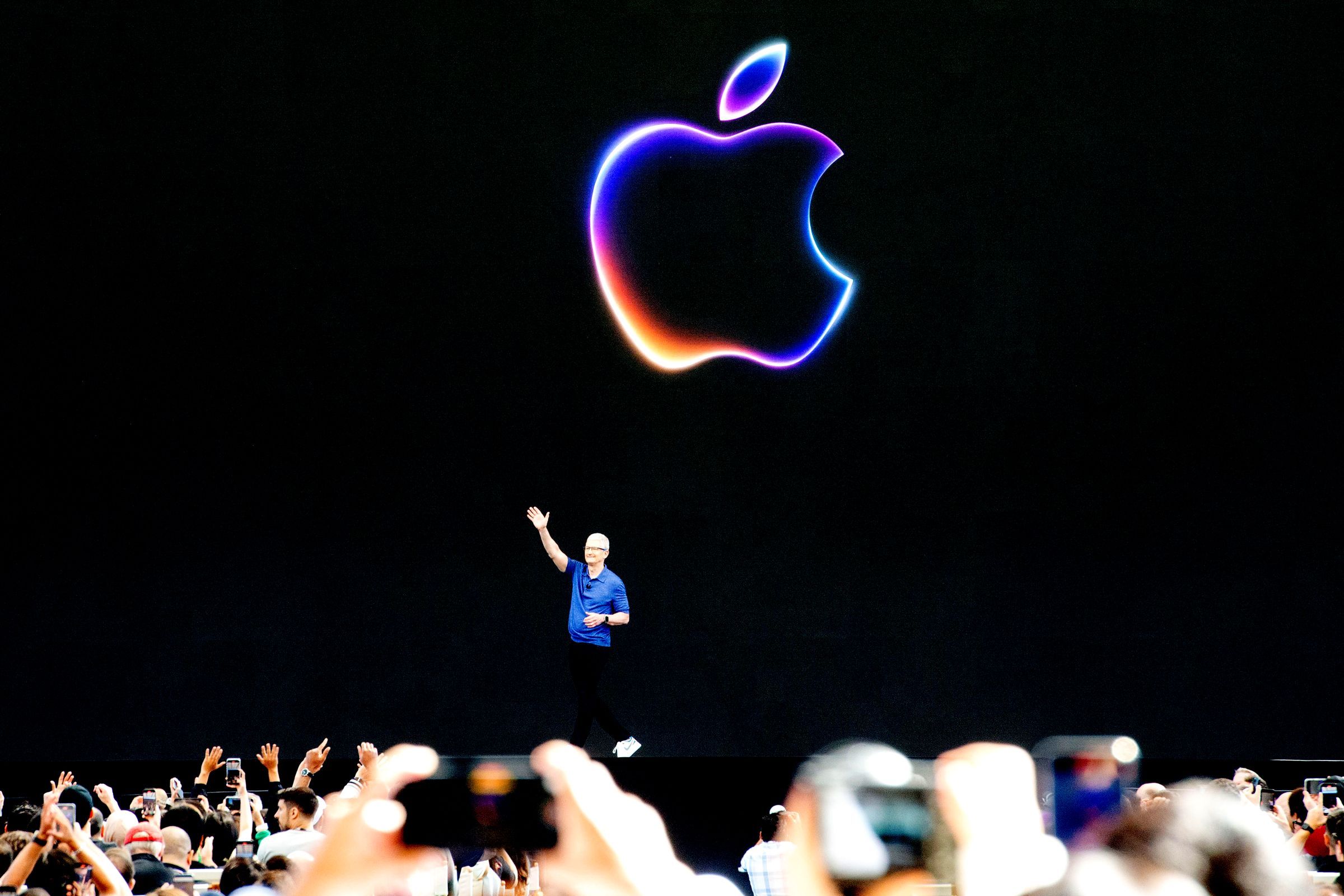
Apple has found itself in the middle of a major legal battle after two well-known authors filed a lawsuit accusing the company of using their copyrighted works without permission to train artificial intelligence models. The case, filed in Northern California, adds Apple to the growing list of tech giants facing copyright infringement claims linked to AI development.
The lawsuit was brought forward by Grady Hendrix, a popular horror novelist, and Jennifer Roberson, a fantasy author. They allege that Apple trained its AI system, known as OpenELM, using datasets that contained pirated versions of their books. According to them, the company never sought permission, offered credit, or paid compensation for the use of their intellectual property.
The authors argue that Apple’s actions amount to unlawful exploitation, especially since the tech giant stands to profit massively from integrating AI into its products and services.
Apple is not the only company facing such claims. The AI industry as a whole has come under increasing scrutiny:
These lawsuits highlight a growing conflict between content creators and AI companies, raising questions about how copyrighted materials should (or shouldn’t) be used to build artificial intelligence.
The case against Apple could have far-reaching consequences for the entire AI industry. If the court rules in favor of the authors, tech companies may be forced to license copyrighted content directly from creators, changing how AI training data is sourced.
This lawsuit also shines a spotlight on the fair use debate—whether using copyrighted works to “teach” AI falls under legal exceptions, or whether it constitutes copyright violation.
The outcome of this lawsuit could shape the future of AI development and copyright law. If Apple loses or chooses to settle, it may pave the way for thousands of other authors, musicians, and content creators to demand compensation from tech companies.
At the same time, the case may encourage AI firms to pursue more ethical and transparent data practices, ensuring creators are paid for their work while balancing technological innovation.
The lawsuit against Apple is not just about two authors—it’s part of a much larger conversation about ownership, creativity, and the boundaries of artificial intelligence. As courts weigh in on these disputes, the decisions will influence how AI grows and how creators are protected in the digital age.